

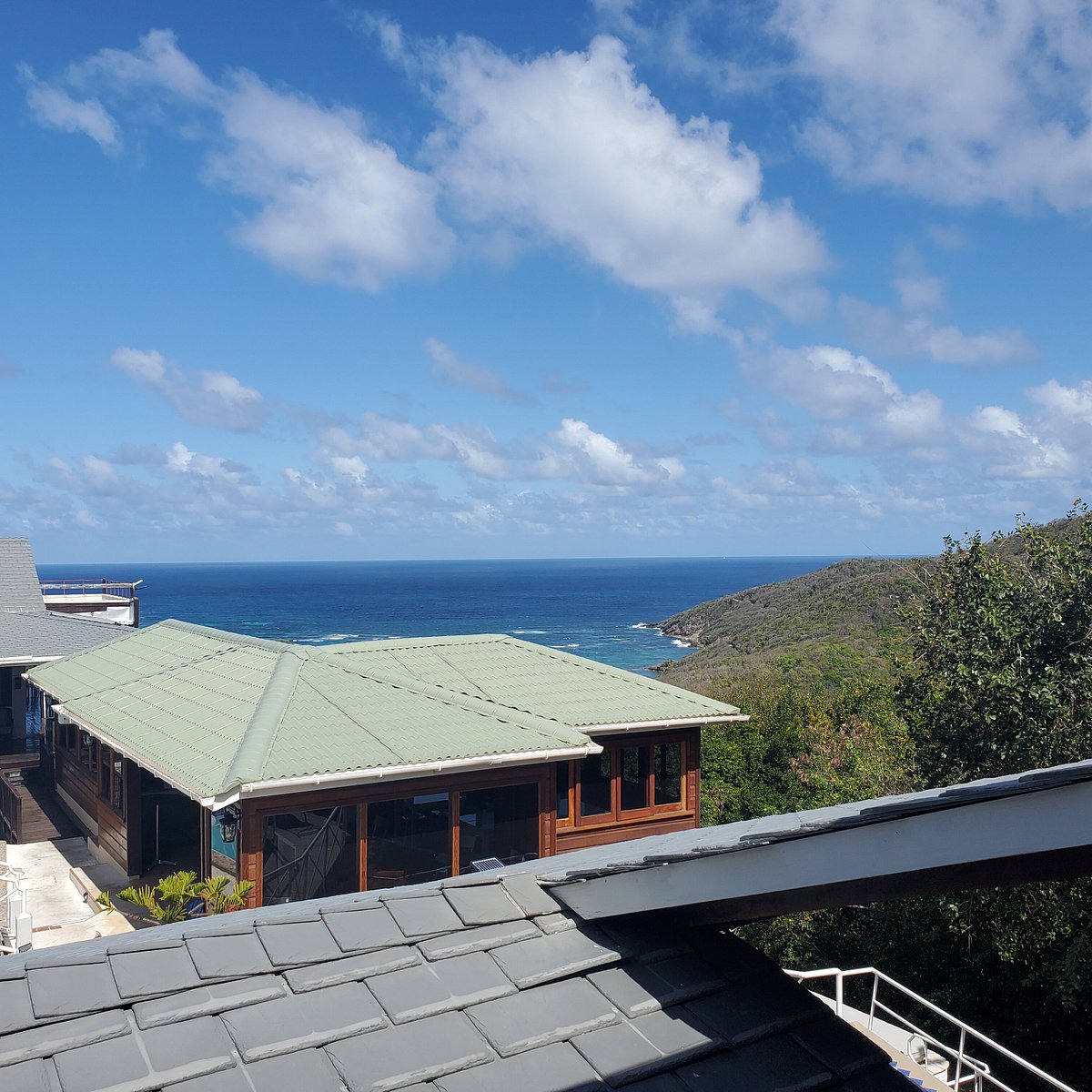
Avian Wonders and Sanctuaries on the visit to Hotels in St. Vincent Islands
St. Vincent Islands, a Caribbean paradise known for its pristine beaches and lush landscapes, is also a haven for wildlife enthusiasts seeking immersive encounters with the local fauna. Bird watching, in particular, is a popular activity, offering glimpses into the diverse avian life that thrives in the region. Additionally, the islands boast animal sanctuaries committed to the preservation and rehabilitation of indigenous species, making it an ideal destination for those passionate about wildlife conservation. You can visit the beautiful natural elements at your stay in the best hotels in St Vincent islands.
Bird watching in St Vincent
The islands of St. Vincent are a haven for bird watchers, offering a rich tapestry of avian life against the backdrop of stunning natural beauty. From the mesmerizing melodies of the St. Vincent parrot to the vibrant plumage of the Bananaquit, the islands are home to an array of species that capture the hearts of birding enthusiasts.
One of the primary draws for bird watchers is the St. Vincent parrot, the national bird of St. Vincent and the Grenadines. This striking parrot, with its vibrant green feathers and a splash of yellow on its head, is endemic to the region, making it a rare and sought-after sighting for bird enthusiasts. The densely forested areas of the islands, such as those found in the Vermont Nature Trail, provide an ideal habitat for these parrots. Hence, it offers visitors a chance to witness their playful antics and hear their distinctive calls echoing through the trees. Meanwhile, you can stay at the best hotels in St Vincent during your visit.
Marine park and sanctuary in Grenadines
The Grenadines, a chain of smaller islands, also contribute to the avian diversity of the region. The Tobago Cays is a protected marine park. Hence, it is not only a haven for coral reefs but also hosts numerous seabirds, including frigatebirds and terns. Visitors can take boat tours to these pristine cays. Therefore, it combines the pleasures of snorkeling with the excitement of observing seabirds in their natural habitat.
For those interested in a more curated wildlife experience, St. Vincent and the Grenadines offer several animal sanctuaries dedicated to the care and conservation of indigenous species. One such sanctuary is the St. Vincent and the Grenadines Preservation Fund (SVGPF). They focus on protecting the islands’ unique biodiversity. The SVGPF engages in habitat restoration, wildlife monitoring, and educational programs. Similarly, they raise awareness about the importance of preserving the region’s natural heritage.
Wildlife conservation on Union Island
The Union Island Environmental Attackers (UIEA) is another organization making strides in wildlife conservation. This group works tirelessly to rehabilitate injured and orphaned animals. It also includes iguanas and seabirds, with the goal of releasing them back into their natural habitats. Visitors to the UIEA can witness firsthand the dedication of the caretakers and gain insights into the challenges faced by local wildlife.
The Tobago Cays Marine Park, in addition to its stunning coral reefs, houses a sanctuary for the endangered Hawksbill turtle. The park’s dedicated conservation efforts focus on protecting the nesting sites of these turtles. Therefore, it contributes to the global initiative to safeguard these magnificent creatures. Visitors can take guided tours and stay at the best hotels in St vincent and Grenadines to learn about the life cycle of the Hawksbill turtle and witness hatchlings making their way to the sea.
In conclusion, St. Vincent Islands offer a captivating blend of natural beauty and wildlife encounters. Whether you are an avid bird watcher seeking the elusive St. Vincent parrot or a conservation enthusiast, the islands provide a unique and enriching experience. Hence, you can explore the lush trails teeming with avian life to support the commendable work of animal sanctuaries. Hotels in St. Vincent Islands beckon nature lovers to immerse themselves in the wonders of the Caribbean’s vibrant and diverse ecosystem.